Cultural intelligence for leaders

Helder Insight detects early signs of strain and mistrust before it escalates and leads to serious consequences.

Our platform leverages AI and applies The Three-Factor Model of Psychological Safety™ to provide specific recommendations for organisations and their leaders to address cultural and structural challenges.

Example insights from our three-factor analysis:

Text listing four key leadership behaviours that build psychological safety: role modelling, emotional intelligence skills and capabilities, being receptive to feedback, and recognising emotional demands on employees.
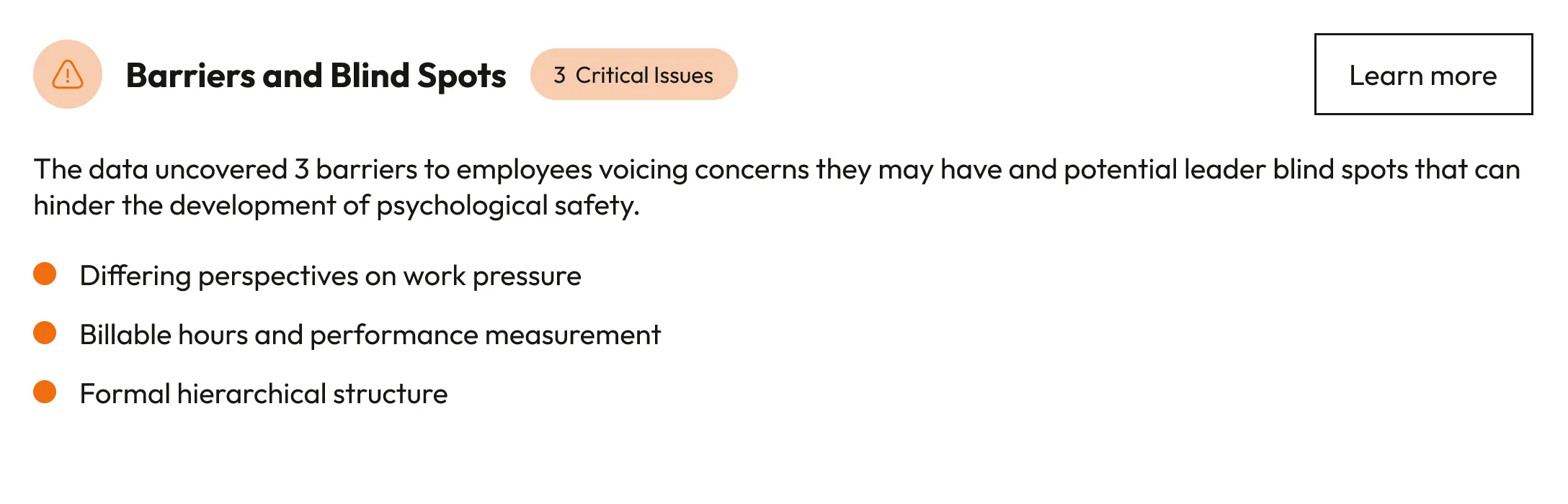
Text titled 'Barriers and Blind Spots' with a note of '3 Critical Issues' and a button labelled 'Learn more'. Below, it explains the data found three barriers to employees voicing concerns and potential leader blind spots that may hinder psychological safety development, listing differing perspectives on work pressure, billable hours and performance measurement, and formal hierarchical structure.
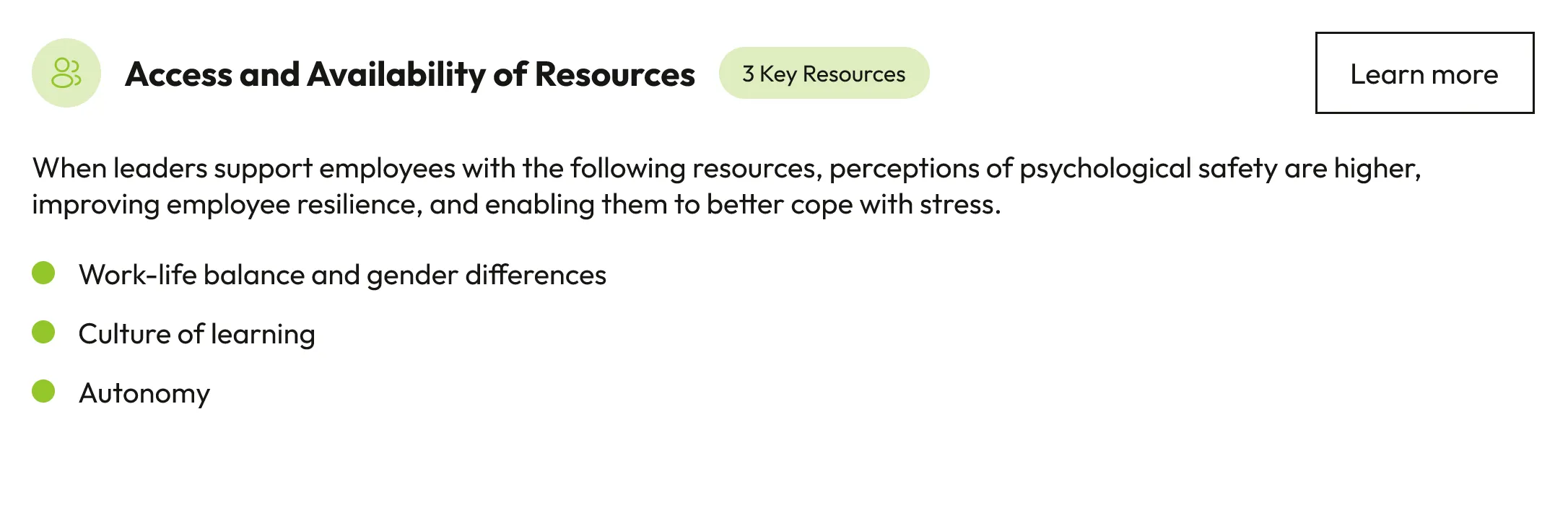
Text titled Access and Availability of Resources with a note on 3 key resources and a Learn more button, explaining leaders supporting employees with resources boosts psychological safety, resilience, and stress coping. Lists three key resources: work-life balance and gender differences, culture of learning, and autonomy.
  • Combines multiple data sources (quantitative and qualitative). See Our Approach
  • Deep cultural signals that leaders can act on.
  • Identifies barriers that might be preventing organisations from building psychological safety.

Join us in shaping the future of work.

In 2026, Dutch law will require stronger protections for psychological wellbeing in the workplace.
In Australia, the psychosocial hazards framework came into effect in 2022.
In the UK changes to the Employment Rights Act will come into effect in 2027.Are you ready to comply?