

Blog / Why do so many change initiatives fail
Why Do So Many Change Initiatives Fail?
Emma Clarke
17 February 2026
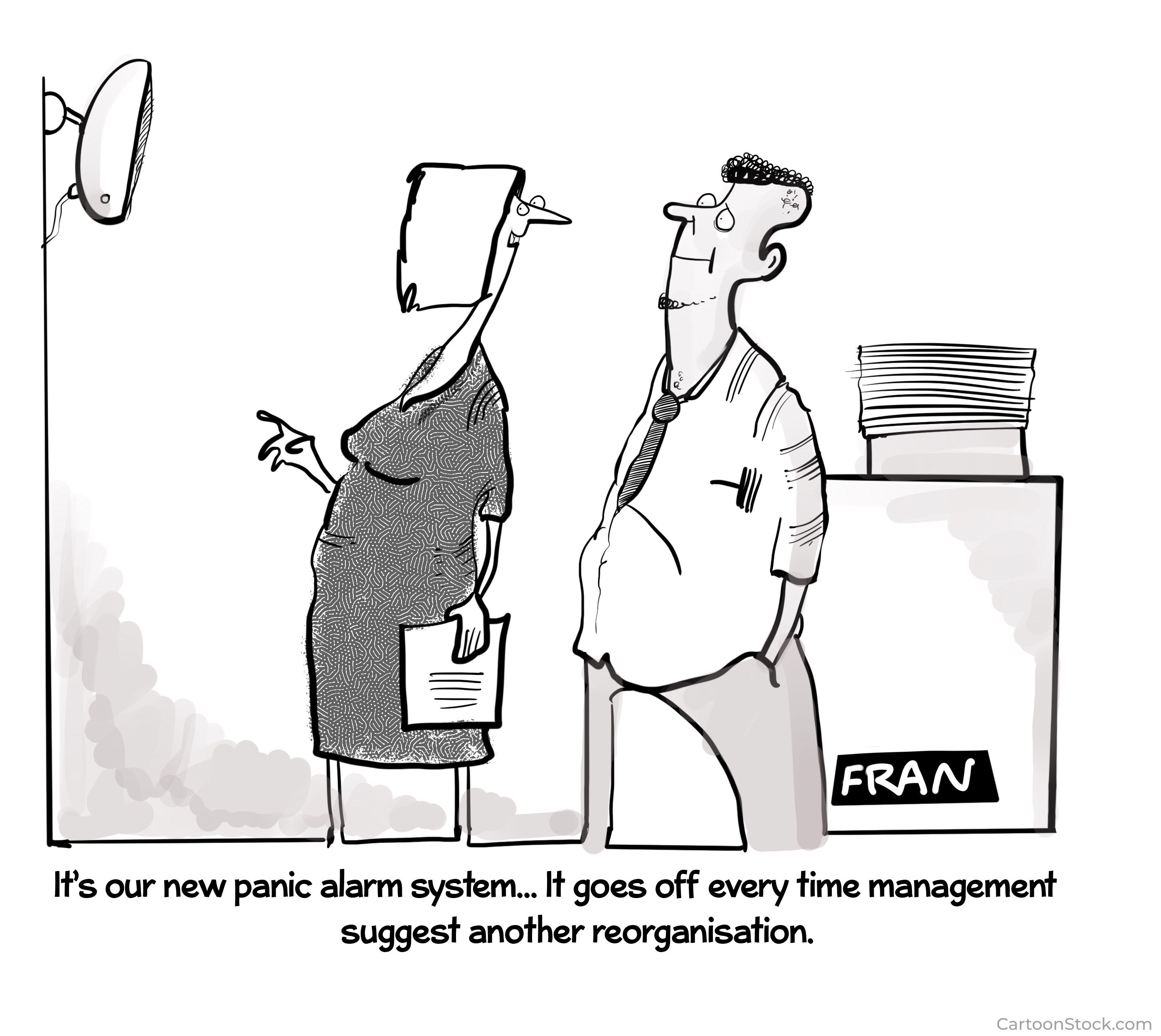
Despite significant investment, many organisational change initiatives fall short of delivering their intended benefits. Research consistently points to a factor that is often underestimated: psychological safety. In fact, more than half of failed change efforts cite cultural challenges as a primary cause.
During our co-founder Dr Emma Clarke's research, she explored this issue in depth with her colleagues at University of Canterbury. In a study published in 2024, they examined organisational change within a healthcare setting - specifically, a high-performing team transitioning into a new, modern, and unfamiliar workplace.
This wasn’t a typical change environment. The team had to maintain uninterrupted care for highly vulnerable patients throughout the transition. The stakes were high, and so were the perceived risks.
Through interviews conducted before and after the move, a clear pattern emerged. Teams that experienced strong support, felt included in decision-making, and had safe channels to raise concerns were far better equipped to navigate the uncertainty.
When psychological safety was present:
- People adapted more effectively to change
- Team performance remained stable under pressure
- Individuals were better able to protect their wellbeing
The Takeaway
In high-pressure environments, change is not just a structural or operational challenge - it’s a human one.
When people feel psychologically safe, supported by their leaders and colleagues, and able to speak openly, they are significantly more likely to navigate uncertainty successfully together.
Psychological safety isn’t just a “nice to have” for maintaining performance. It’s a critical factor in determining whether change initiatives succeed or fail.
If you’re planning a major transformation and want to give your people the best chance of success, it starts with the environment you create around them.
If this resonates, feel free to reach out to continue the conversation.