

Blog / Psychological Safety Isn't a "Nice-to-Have" – It's a Performance Multiplier
Psychological Safety Isn't a "Nice-to-Have" – It's a Performance Multiplier
Emma Clarke
25 November 2025
In today's fast-paced and increasingly complex work environments, organisations are under constant pressure to improve performance, retain talent, and innovate faster than ever before. Yet one of the most powerful drivers of these outcomes is often overlooked: psychological safety.
Psychological safety is the shared belief that people can speak up, challenge ideas, ask questions, admit mistakes, and take calculated risks without fear of embarrassment, punishment, or negative consequences. Far from being a soft or optional concept, psychological safety is a critical ingredient in high-performing teams.
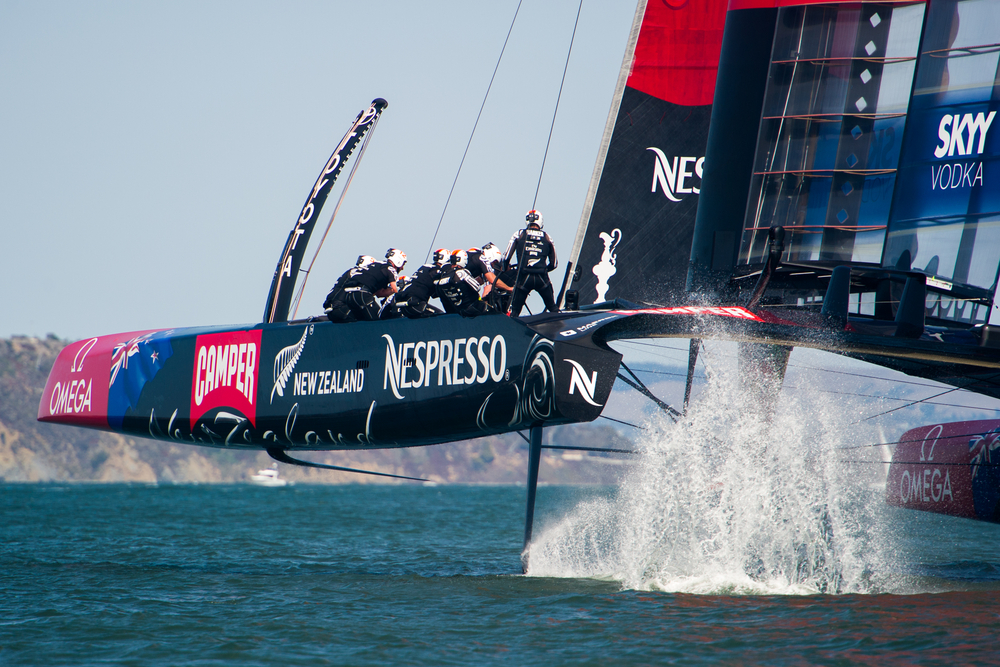
A compelling example can be found in Emirates Team New Zealand, who successfully defended the America's Cup in both 2021 and 2024. Their success is not solely the result of technical expertise or world-class talent. It is underpinned by a team culture that embraces innovation, collaboration, learning, and continuous improvement.
The team is known for challenging the status quo, encouraging experimentation, and creating an environment where individuals from diverse disciplines work together to solve complex problems. In this type of psychologically safe environment, people feel empowered to contribute ideas, question assumptions, and learn from setbacks. The result is sustained innovation and exceptional performance.
Research consistently demonstrates that organisations with higher levels of psychological safety benefit from:
- Increased innovation and creativity
- Stronger collaboration and teamwork
- Better decision-making
- Improved employee wellbeing leading to reduced burnout
- Improved retention
- Greater adaptability during periods of change
When people feel safe to contribute fully, organisations unlock the collective intelligence of their workforce.
The Hidden Barriers to Psychological Safety
Despite the clear benefits, many organisations - particularly those operating in high-demand, high-stakes environments unknowingly create conditions that undermine psychological safety.
These barriers are rarely intentional. In fact, they are often embedded within organisational systems, structures, and workplace norms.
Common examples include:
- Formal hierarchies that discourage speaking up
- Performance metrics that unintentionally reward the wrong behaviours
- Unconscious biases that influence decision-making
- Gender stereotypes and cultural expectations
- Leadership practices that discourage constructive challenge
- Misunderstandings about why employees choose to leave
History provides several cautionary examples. Organisations such as Boeing and Volkswagen have faced significant challenges where cultural factors and barriers to speaking up have been identified as contributing issues. These examples highlight the importance of creating environments where concerns can be raised, debated, and addressed before they escalate into larger organisational risks.
The challenge for leaders is that these barriers are often difficult to see. Traditional engagement surveys may identify symptoms, but they frequently fall short of explaining why the issues have occurred in the first place or how to address them.
Moving Beyond Awareness to Action
Understanding that psychological safety matters is only the first step. The real challenge is identifying the specific factors within an organisation that are helping, or hindering it.
This is where a more sophisticated approach is needed.
Drawing on PhD research conducted in high-stress workplaces, at Helder we have developed an innovative solution designed to help organisations identify and address the hidden barriers affecting culture, performance, and retention.
Shaping the Future of Work
As organisations navigate increasing complexity, workforce expectations continue to evolve. Employees want to work in environments where their voices are heard, their contributions matter, and they can perform at their best.
As organisations navigate increasing complexity, workforce expectations continue to evolve. Employees want to work in environments where their voices are heard, their contributions matter, and they can perform at their best.
The organisations that recognise this, and actively invest in understanding and improving their workplace culture, will be best positioned to attract talent, retain expertise, and succeed in the future of work.
If you're a forward-thinking practitioner or senior leader working in a high-demand, high-stress environment, get in touch to learn more about how Helder can help your organisation build a stronger culture and unlock higher performance through psychological safety.