

Blog / Are employee wellbeing programs really working
Are Employee Wellbeing Programs Really Working?
Emma Clarke
12 December 2025
Organisations are investing heavily in employee wellbeing. Many now spend between €150 and €2,500 per employee each year on initiatives such as resilience training, mindfulness sessions, and wellbeing apps.
But are these programs delivering meaningful results?
A 2024 review by William Fleming at the University of Oxford examined wellbeing interventions involving more than 46,000 employees across 233 British organisations. The findings were striking: employees who participated in many common individual-level wellbeing programs often appeared no better off than those who did not participate.
So why aren’t these initiatives working?
The issue is not necessarily the programs themselves. The problem is that many wellbeing initiatives focus on the individual while overlooking one of the biggest influences on employee wellbeing - organisational culture.
Employees can attend resilience workshops or use mindfulness apps, but if they are still working in environments with poor communication, unrealistic workloads, low trust, or fear of speaking up, the impact of those interventions will always be limited.
This is where psychological safety becomes critical.
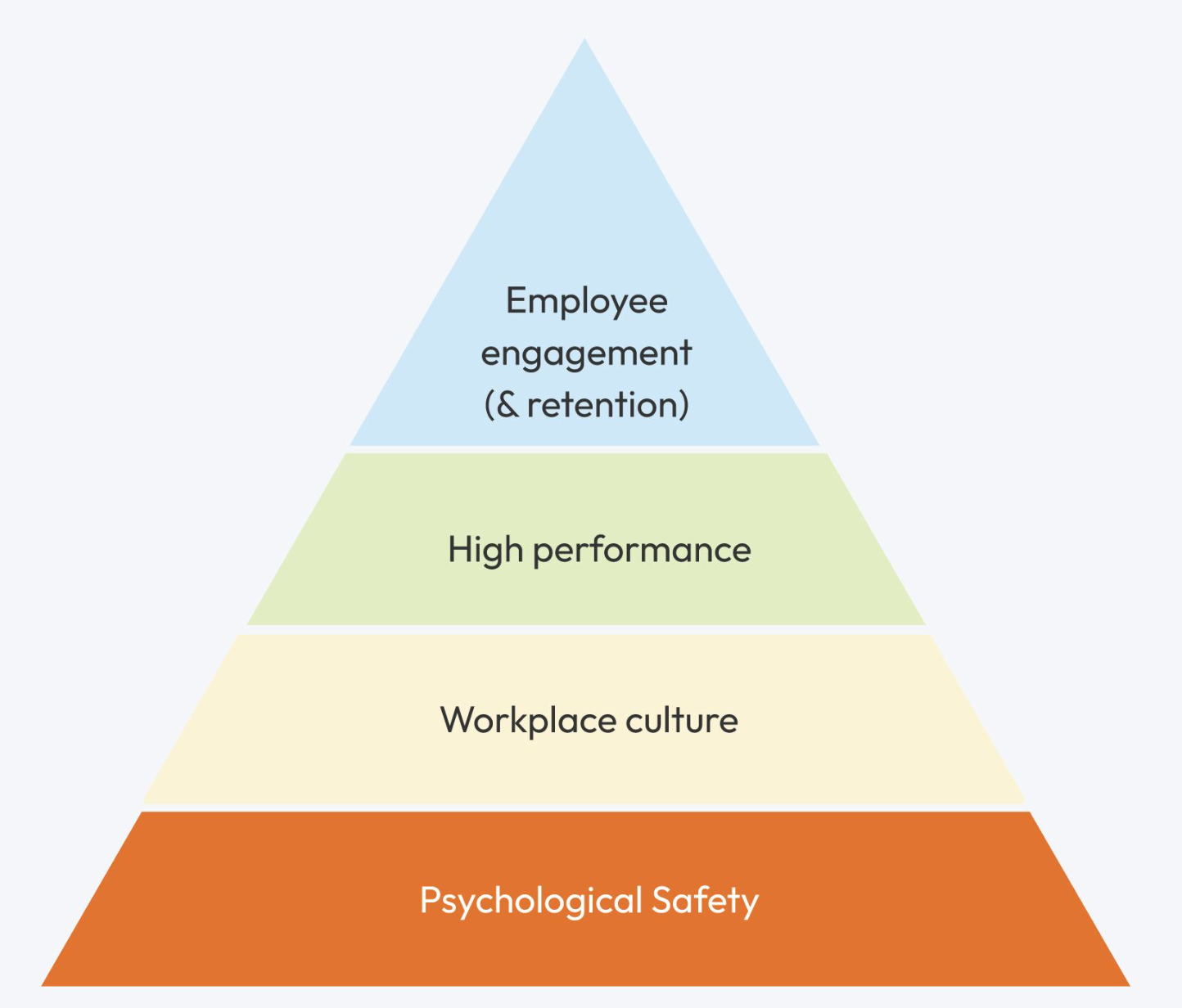
Psychological safety is the foundation of a healthy workplace culture.
It creates environments where people feel safe to contribute ideas, ask questions, raise concerns, and admit mistakes without fear of judgement or negative consequences.
Organisations with psychologically safe cultures typically experience:
- stronger employee engagement
- lower burnout and unwanted turnover
- better collaboration
- improved performance and innovation
For leaders looking for a better return on investment, the focus needs to shift from surface-level wellbeing initiatives to understanding what is really happening beneath the cultural surface.
At Helder Insight, we see psychological safety as foundational to both employee wellbeing and organisational performance - regardless of organisation size.